
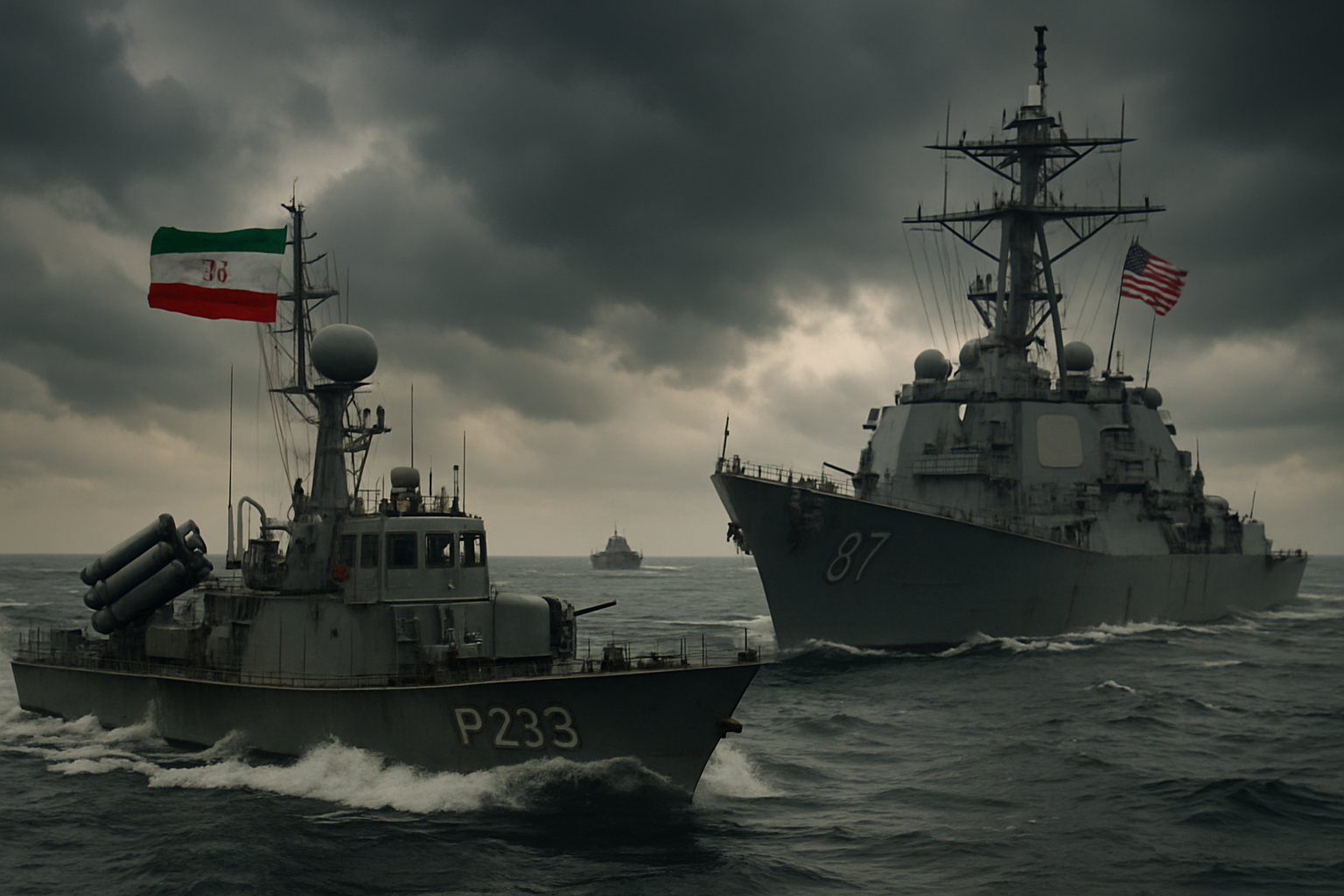
The complex war between Iran and the United States has rapidly evolved from a regional confrontation to a global economic shockwave. As South Africa navigates this turbulent period, understanding the conflict's roots, the strategic goals of the U.S., and the subsequent effects on South Africa’s business environment is critical for entrepreneurs, investors, and policymakers alike.
Why Did the Iran-USA Conflict Begin?
The conflict escalated following years of mounting tensions rooted in Iran’s nuclear program, regional influence, and the U.S.’s strategic interests in the Middle East. The U.S. aims to curtail Iran’s nuclear ambitions, limit its support for proxy groups, and maintain dominant access to global oil routes. This culminated in targeted military actions and sanctions that triggered retaliatory strikes, pushing the two nations into open conflict.
U.S. End Goals in the Conflict
- Neutralize Iran’s Nuclear Program: Prevent Tehran from acquiring nuclear weapons capability to safeguard regional and global security.
- Maintain Control Over Key Trade Routes: The Strait of Hormuz is vital for global oil transportation; U.S. objectives include keeping this chokepoint open and secure.
- Restrict Iranian Regional Influence: Limit Iran’s ability to fund and support proxy militias across the Middle East.
- Protect Global Energy Markets: Ensure stability in oil supply chains to avert global economic disruption.
How the Iran-USA War Impacts South Africa
Though thousands of kilometres apart, South Africa feels the ripple effects of this conflict in multiple tangible ways.
1. Global Oil Price Volatility
One of the most immediate impacts has been severe fluctuations in global oil prices. With the Strait of Hormuz—a critical passage for nearly a third of the world's seaborne oil—partially closed due to conflict, Brent crude oil prices surged by approximately $10 per barrel, a roughly 16% increase when measured in South African Rand terms. This spike directly increases fuel costs locally, affecting transportation and manufacturing expenses.
2. Shipping Route Disruptions and Delays
Major shipping companies like Maersk and Hapag-Lloyd have rerouted their vessels away from the Strait of Hormuz to safer pathways around the Cape of Good Hope. This detour adds around 10 to 14 extra days to transit times and almost doubles the number of vessels taking this longer route.
For South African ports, this surge in traffic strain has led to congestion, surcharges, and delayed unloading and dispatching of containers. The knock-on effect increases costs for importers and exporters alike, slowing the movement of goods both locally and across the broader African continent.
3. Inflationary Pressures on Business and Consumers
The elevated fuel prices and prolonged transportation timelines have escalated operational costs across many sectors. These costs frequently pass on to consumers, resulting in higher prices for goods and services, further feeding into South Africa's already challenging inflation environment.
4. Increased Credit Risks
The uncertain geopolitical landscape elevates risks for South African companies linked to the Middle East and North Africa (MENA) region. Heightened exposure to disrupted energy supplies and volatile shipping lanes has led credit rating agencies to flag additional risks in publicly listed firms with such ties, making financing more expensive and difficult to secure.
Pathways for South African Businesses Forward
Despite these challenges, strategic action can mitigate some impacts and present opportunities for growth.
Diversifying Supply Chains and Markets
- Explore alternative sourcing: Partner with suppliers from regions less affected by the conflict to reduce reliance on unstable routes.
- Develop new trade relationships: Look beyond traditional markets to diversify revenue streams and reduce geopolitical risk.
Enhancing Financial and Operational Resilience
- Efficient cash flow management: Strengthen liquidity to better absorb supply chain shocks and price volatility.
- Maximizing tax efficiencies: Utilize available tools and incentives to optimize financial performance during economic downturns.
Staying Informed on Global Developments
Regularly monitoring geopolitical and economic developments empowers South African entrepreneurs to adapt strategies proactively, safeguarding long-term sustainability and competitive advantage.
Conclusion
The Iran-USA war presents considerable challenges to South Africa’s business landscape through its effects on oil prices, shipping logistics, inflation, and credit risks. However, by understanding the conflict’s origins and objectives, and strategically managing risks and opportunities, South African enterprises can navigate this complex environment. The key lies in diversification, prudent financial management, and informed planning to build resilience amid global uncertainty.
Next step
If this thinking fits, join the room.
WLBT is built around trust, standards, active participation, and real business relationships.